

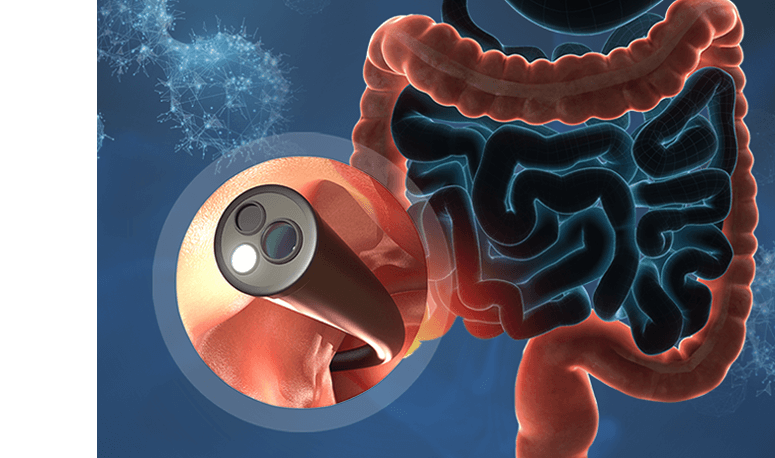

Colorectal cancer is one of the more commonly diagnosed cancers in Singapore, affecting men and women across different age groups. For many people, the diagnosis comes unexpectedly, often after a routine screening or investigations for symptoms that seemed minor at first. Suddenly, you may find yourself navigating unfamiliar terms and treatment options, with chemotherapy frequently discussed as part of your care.
Understanding what chemotherapy involves can help ease some of that uncertainty. In this article, we explain how chemotherapy works in colorectal cancer treatment, when it may be recommended, and what you can expect throughout the process.
Why Chemotherapy Is Used in Colorectal Cancer Care
Chemotherapy is a key component of many colorectal cancer treatment plans. It uses specialised drugs that travel through the bloodstream, allowing them to treat cancer cells not only in the colon or rectum but also in other parts of the body if the disease has spread.
Your doctor will consider several factors when deciding whether to include chemotherapy in your treatment plan:
- Cancer Stage: The extent of the disease is one of the main factors guiding treatment.
- Risk of Recurrence: Chemotherapy may be recommended after surgery to reduce the chance of the cancer returning.
- Patient Fitness: Your overall health and any existing medical conditions help determine how well you may tolerate treatment and its potential side effects.
- Tumour Biology: Genetic mutations and other tumour characteristics can influence how effectively the cancer responds to specific chemotherapy drugs.
When Chemotherapy May Be Recommended
Chemotherapy can be introduced at different points in your treatment journey, depending on the goals of care and how advanced the cancer is at diagnosis.
Neoadjuvant (Pre-operative) Chemotherapy
Neoadjuvant chemotherapy is given before surgery to shrink the tumour, making it easier for the surgeon to remove it completely and preserve normal bowel function. This treatment is frequently used for locally advanced rectal cancer, often combined with radiation therapy (chemoradiation).
Adjuvant (Post-operative) Chemotherapy
Adjuvant chemotherapy is given after surgery to eliminate any remaining cancer cells. Some of these cells may have spread to other parts of the body, yet remain too small to detect. This approach is commonly recommended for stage III colon cancer and for certain high-risk stage II cases.
Primary/Palliative Chemotherapy
For advanced (metastatic) cancer that has spread to distant organs like the liver or lungs, or for tumours that cannot be surgically removed (unresectable), chemotherapy becomes the primary treatment. The goal is often palliative—shrink tumours, relieve symptoms and prolong survival.
Common Chemotherapy Regimens
The choice of chemotherapy regimen depends on factors such as disease stage, previous treatments and how well your body is likely to tolerate side effects. The goal is to select a combination that balances effectiveness with safety and comfort.
Commonly used chemotherapy drugs for colorectal cancer include:
- 5-Fluorouracil (5-FU)
- Capecitabine (an oral form of 5-FU)
- Irinotecan
- Oxaliplatin
- Trifluridine and tipiracil
These drugs are often used in combinations of two or three to improve treatment outcomes. In some situations, chemotherapy may also be paired with a targeted therapy drug, which focuses on specific cancer cell markers and tends to affect healthy cells less than traditional chemotherapy.
How Chemotherapy Is Administered
Chemotherapy can be administered in different ways, depending on the medication prescribed:
- Intravenous (IV): Many treatments are delivered intravenously, either as a quick injection or through a slower infusion over a set period.
- Oral: Other medications, such as capecitabine, are conveniently taken orally in pill form.
Treatment is given in cycles, which include a period of medication followed by a planned rest phase. This allows your body time to recover before the next cycle begins. Each cycle typically lasts two to three weeks, and a full course of chemotherapy may extend over several months, particularly when used before or after surgery.
Potential Side Effects and Risks of Chemotherapy
Because chemotherapy targets rapidly dividing cells, it can also affect healthy tissues such as those in the digestive tract, bone marrow and hair follicles. As a result, side effects can occur, although their severity varies from person to person.
Common side effects include fatigue, nausea, vomiting, diarrhoea, mouth sores, reduced appetite and a higher risk of infections due to lowered white blood cell counts. Some patients may also notice increased bruising or bleeding if platelet levels drop.
Certain side effects are also linked to specific chemotherapy drugs:
- Oxaliplatin may cause neuropathy, which presents as tingling, numbness or heightened sensitivity in the hands and feet.
- Irinotecan can lead to significant diarrhoea, which requires prompt management.
- Capecitabine and 5-FU may cause hand-foot syndrome, a condition marked by redness, swelling and discomfort in the palms and soles.
Your medical team will monitor you closely throughout treatment and provide supportive care to manage side effects. Medication adjustments or schedule changes may also be made if needed, ensuring treatment remains as safe and tolerable as possible.
A Key Part of Your Treatment Plan
Chemotherapy is an effective tool in the fight against colorectal cancer. Whether it is used to improve surgical outcomes, reduce the risk of recurrence or control advanced disease, it contributes significantly to improved survival and better quality of life for many patients.
If you have been diagnosed with colorectal cancer, our specialists are here to provide dedicated care and support. Contact our clinic today to schedule a consultation and discuss a personalised treatment plan for you.
Frequently Asked Questions
How effective is chemotherapy in treating colorectal cancer?
Chemotherapy is highly effective. It can reduce the risk of cancer returning after surgery and improve survival rates, particularly for Stage III disease. In advanced cases, it helps shrink tumours, manage symptoms and extend life.
Does chemotherapy for colorectal cancer cause hair loss?
Significant hair loss is not as common with the chemotherapy regimens used for colorectal cancer as it is with treatments for other types of cancer. Some patients may experience mild hair thinning, but complete hair loss is rare.
How does chemotherapy affect the quality of life during colorectal cancer treatment?
Side effects like fatigue, nausea and diarrhoea can impact quality of life. However, these are often temporary and can be effectively managed with supportive care, medication and lifestyle adjustments. Your doctor will work closely with you to minimise these effects.
Our Colorectal Surgeons

Dr Dennis Koh
Medical Director & Senior Consultant Surgeon
B Med Sci (Nottingham), MBBS (Nottingham)
MMed (Surgery), FRCS (Edinburgh), FAMS
Dr Dennis Koh is a MOH-accredited and experienced colorectal surgeon with specialised expertise in the management and treatment of colorectal cancer; and currently the Medical Director at Colorectal Practice.
Dr Koh strives to provide a customized treatment plan for each patient, which allows for better outcomes. He also honed his skills in proctology abRd in Geneva, bringing a more diverse touch to his practice.

Dr Sharon Koh Zhiling
Senior Consultant Surgeon
MBBS (Singapore), MMed (Surgery),
FRCS (Edinburgh), FAMS
Dr Sharon Koh is an experienced colorectal surgeon and the former Director of Endoscopy at Alexandra Health. She has subspecialty training in colorectal surgery, minimally invasive surgery, and advanced endoscopy — particularly in the field of colorectal cancer.
Dr Koh completed her fellowship at Cedars-Sinai Medical Centre in the US after being awarded the Academic Medicine Development Award by the National University Hospital.

Dr Pauleon Tan Enjiu
Senior Consultant Surgeon
MBBS (Singapore), MMed (Surgery),
FRCS (Edinburgh), FACS
Dr Pauleon Tan has served in public hospitals for over 15 years and is experienced in minimally invasive surgery and endoscopy. He is also experienced in the treatment for colorectal cancer, and strives to provide the best possible care to his patients.
Dr Tan undertook advanced colorectal surgical training at Japan’s Saitama International Medical Center after being awarded the Ministry of Health – Health Manpower Development Plan (HMDP) Award.