


If you or a loved one has been diagnosed with colorectal cancer, the prospect of surgery can feel daunting. Traditionally, removing cancerous growths required large open incisions, which often meant longer recovery times and more post-operative discomfort. Today, medical advancements have introduced minimally invasive techniques that are less traumatic to the body, enabling faster healing, smaller scars, and improved overall outcomes.
Understanding what minimally invasive surgery entails and how it may benefit you can help you feel more informed and confident when discussing treatment options with your doctor. In this article, we explore the different types of minimally invasive surgery for colorectal cancer, their benefits, and who may be an ideal candidate. Keep reading to learn how these techniques can make a difference in your treatment journey.
What Is Minimally Invasive Surgery for Colorectal Cancer?
Minimally invasive surgery (MIS), commonly known as keyhole surgery, is a modern technique utilised for colorectal cancer that offers precise tumour removal. It involves making several small incisions, typically no longer than one centimetre, resulting in minimal disruption to surrounding tissues.
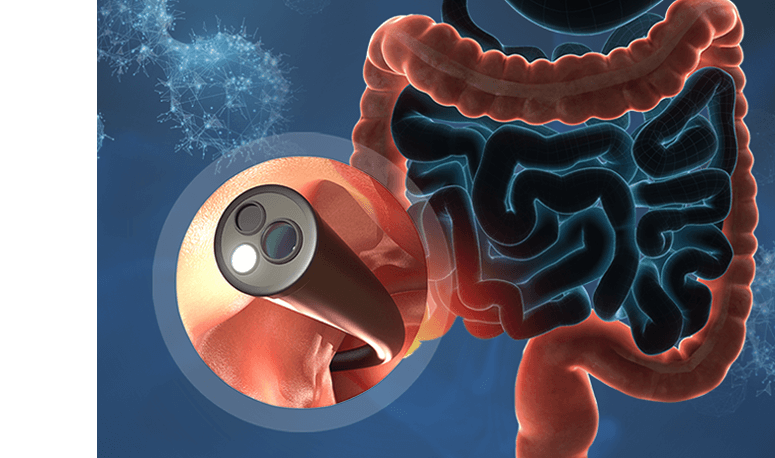
During MIS, surgeons use specialised instruments along with a laparoscope—a slender tube with a light and high-definition camera. The camera transmits magnified images onto a monitor, giving the surgical team a detailed view of the operative field. This enhanced visualisation allows for highly precise tumour removal while preserving healthy tissue.
Types of Minimally Invasive Surgery for Colorectal Cancer
The technique chosen for minimally invasive colorectal surgery depends on tumour location, size, and your overall health. Common minimally invasive procedures include:
Laparoscopic Surgery
Laparoscopic surgery is the most widely used MIS approach for colorectal cancer. The abdomen is inflated with carbon dioxide gas to create space, giving the surgeon a clear view and room to operate. A laparoscope and other microsurgical instruments are inserted through small incisions to remove the cancerous portion of the colon or rectum along with nearby lymph nodes.
Robotic-Assisted Surgery
Robotic-assisted surgery builds on laparoscopic techniques by using robotic arms controlled by the surgeon from a console in the operating theatre. This system provides enhanced precision and control, making it ideal for complex procedures in hard-to-reach areas such as the pelvis. It is particularly beneficial for rectal cancers.
Endoscopic Procedures
For very early-stage cancers or polyps, endoscopic techniques can remove lesions without abdominal incisions. Transanal minimally invasive surgery (TAMIS) uses a specialised port inserted through the anal opening, allowing surgeons to excise rectal tumours safely and effectively.
Benefits of Minimally Invasive Surgery
Compared to traditional open surgery, minimally invasive colorectal surgery offers numerous advantages for patients undergoing treatment for colorectal cancer. These include:
- Faster Recovery: Because MIS involves smaller incisions and less trauma to the body, patients typically recover quickly. Hospital stays are often shorter, with many individuals returning to normal activities within a few weeks.
- Reduced Pain and Scarring: The small incisions used in MIS result in significantly less post-operative pain and a reduced need for strong pain medication. The scars are also minimal and far less noticeable, resulting in better cosmetic outcomes.
- Lower Complication Rates: MIS is associated with a lower risk of several complications. Since internal organs are less exposed, the likelihood of surgical site infections is reduced. Patients also tend to experience less blood loss during the procedure and have a lower chance of developing an incisional hernia afterwards.
- Comparable Oncologic Outcomes: Studies show that minimally invasive techniques are as effective as open surgery for removing colorectal cancer. They can achieve clear margins, complete tumour resection and adequate lymph node removal, all of which are important for long-term treatment success.
Who Is an Ideal Candidate for Minimally Invasive Surgery?
Although MIS offers many benefits, it may not be suitable for everyone. Your surgeon will consider several factors before recommending the most appropriate approach:
- Patients With Stage 0–III Colorectal Cancer: Typically used for early to locally advanced disease that has not extensively spread.
- Individuals in Good Overall Health: Candidates should be fit to undergo general anaesthesia without major heart or lung risks.
- Those Without Significant Abdominal Adhesions: Extensive scar tissue from previous major abdominal surgeries can make MIS more difficult or less safe, in which case, an open approach may be recommended.
Choosing Advanced Care for Colorectal Cancer
Minimally invasive surgery represents an advancement in colorectal cancer treatment, offering tumour removal with faster recovery, less pain, and lower complication rates. For many patients, it provides the confidence to resume normal life more quickly while maintaining excellent oncologic outcomes.
If you have been diagnosed with colorectal cancer and want to explore your treatment options, our experienced colorectal surgeons are here to help. They will carefully assess your condition to determine whether minimally invasive surgery is suitable for you and guide you through a personalised treatment plan tailored to your needs. Schedule a consultation with our colorectal specialists today to find out how minimally invasive surgery could benefit your care and improve your treatment experience.
Frequently Asked Questions
When might minimally invasive surgery not be suitable?
Minimally invasive surgery may not be recommended for very large or advanced tumours that have grown into nearby organs, patients with extensive scar tissue from previous surgeries, or individuals in poor overall health who may not tolerate surgery well.
Will I need a colostomy bag after MIS?
The need for a colostomy depends on the cancer’s location and the specifics of the surgery, not the approach. Most colon cancers do not require a colostomy. For some rectal cancers, a temporary or permanent colostomy may be necessary.
Will I need a stoma with MIS?
A stoma may be required depending on tumour location and procedure type. If part of the rectum is removed, a temporary ileostomy is often created to allow healing before it is reversed a few months later.
Our Colorectal Surgeons

Dr Dennis Koh
Medical Director & Senior Consultant Surgeon
B Med Sci (Nottingham), MBBS (Nottingham)
MMed (Surgery), FRCS (Edinburgh), FAMS
Dr Dennis Koh is a MOH-accredited and experienced colorectal surgeon with specialised expertise in the management and treatment of colorectal cancer; and currently the Medical Director at Colorectal Practice.
Dr Koh strives to provide a customized treatment plan for each patient, which allows for better outcomes. He also honed his skills in proctology abRd in Geneva, bringing a more diverse touch to his practice.

Dr Sharon Koh Zhiling
Senior Consultant Surgeon
MBBS (Singapore), MMed (Surgery),
FRCS (Edinburgh), FAMS
Dr Sharon Koh is an experienced colorectal surgeon and the former Director of Endoscopy at Alexandra Health. She has subspecialty training in colorectal surgery, minimally invasive surgery, and advanced endoscopy — particularly in the field of colorectal cancer.
Dr Koh completed her fellowship at Cedars-Sinai Medical Centre in the US after being awarded the Academic Medicine Development Award by the National University Hospital.

Dr Pauleon Tan Enjiu
Senior Consultant Surgeon
MBBS (Singapore), MMed (Surgery),
FRCS (Edinburgh), FACS
Dr Pauleon Tan has served in public hospitals for over 15 years and is experienced in minimally invasive surgery and endoscopy. He is also experienced in the treatment for colorectal cancer, and strives to provide the best possible care to his patients.
Dr Tan undertook advanced colorectal surgical training at Japan’s Saitama International Medical Center after being awarded the Ministry of Health – Health Manpower Development Plan (HMDP) Award.